Enterprise Software Development
24 September 2026
3 min read
Test bodyToday, many organizations rely on generic, off-the-shelf software to manage their internal processes, sales, HR, or customer relationships. These tools are helpful at first, but as the business grows, their limitations become clear: unnecessary features, poor fit with the organization's actual workflow, and subscription costs that keep rising every year. This is where custom enterprise software development becomes valuable.
What Is Enterprise Software?
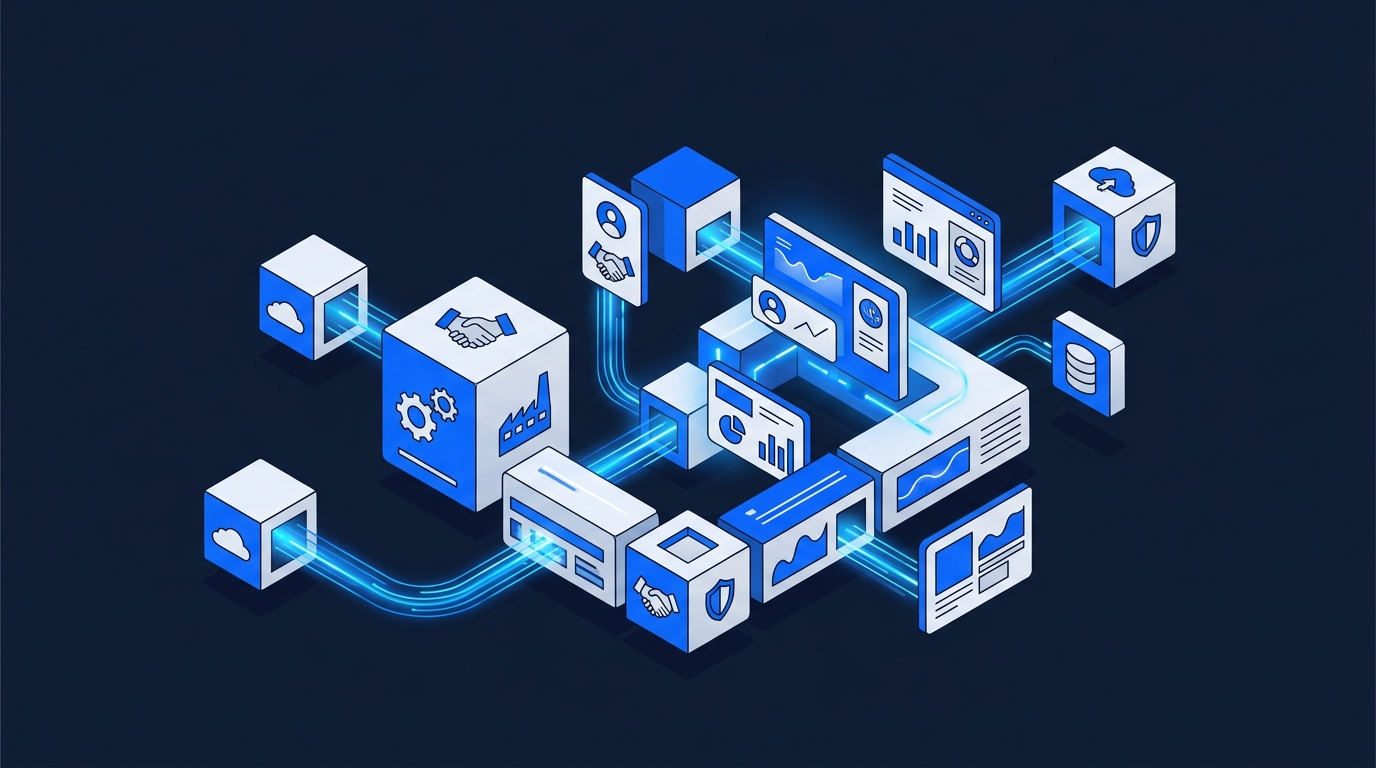
Enterprise software refers to a system designed and built specifically for the needs, structure, and processes of a particular organization — not a generic product meant to work the same way for every business. It can include an ERP system, a custom CRM, internal management dashboards, or integration platforms connecting different departments.
Why Choose Custom Software Over Off-the-Shelf Solutions?
1. Full alignment with your actual business process
Off-the-shelf software usually forces an organization to adapt its workflow to the software, not the other way around. Custom enterprise software is designed around your real workflow from the start.
2. Scalability
As data volume, user count, or process complexity grows, custom software can scale without the artificial limits of a generic product.
3. Integration with existing systems
Enterprise software can connect directly with your accounting systems, inventory management, payment gateways, or any other tools your organization already uses, without clunky workarounds.
4. Security and data ownership
With custom software, your organization's data stays on infrastructure you control, rather than on a third-party vendor's servers — a critical factor for industries with strict privacy requirements.
5. Long-term cost savings
While the initial investment in custom software may be higher than a ready-made subscription, eliminating recurring subscription fees and reducing the need for workaround tools lowers the total cost over time.
Stages of Enterprise Software Development
Needs and process analysis — Understanding the organization's current workflow and identifying weak points.
System architecture design — Defining the technical structure, database, and how different modules communicate.
Development and implementation — Building the system iteratively (Agile) so feedback can be incorporated throughout the project.
Testing and quality assurance — Verifying performance, security, and stability before launch.
Deployment and support — Final rollout followed by ongoing support to fix issues and add new features.
Conclusion
Custom enterprise software isn't a cost — it's an investment in infrastructure that grows with your organization. If off-the-shelf tools no longer meet your needs, or you keep having to bend your processes to fit their limitations, it's time to consider building a dedicated system.
Our team specializes in enterprise software development, process automation, and system digitalization, and we're ready to assess your business's specific needs and design the right solution. Contact us for a free consultation.
What Is Enterprise Software?
Enterprise software refers to a system designed and built specifically for the needs, structure, and processes of a particular organization — not a generic product meant to work the same way for every business. It can include an ERP system, a custom CRM, internal management dashboards, or integration platforms connecting different departments.
Why Choose Custom Software Over Off-the-Shelf Solutions?
1. Full alignment with your actual business process
Off-the-shelf software usually forces an organization to adapt its workflow to the software, not the other way around. Custom enterprise software is designed around your real workflow from the start.
2. Scalability
As data volume, user count, or process complexity grows, custom software can scale without the artificial limits of a generic product.
3. Integration with existing systems
Enterprise software can connect directly with your accounting systems, inventory management, payment gateways, or any other tools your organization already uses, without clunky workarounds.
4. Security and data ownership
With custom software, your organization's data stays on infrastructure you control, rather than on a third-party vendor's servers — a critical factor for industries with strict privacy requirements.
5. Long-term cost savings
While the initial investment in custom software may be higher than a ready-made subscription, eliminating recurring subscription fees and reducing the need for workaround tools lowers the total cost over time.
Stages of Enterprise Software Development
Needs and process analysis — Understanding the organization's current workflow and identifying weak points.
System architecture design — Defining the technical structure, database, and how different modules communicate.
Development and implementation — Building the system iteratively (Agile) so feedback can be incorporated throughout the project.
Testing and quality assurance — Verifying performance, security, and stability before launch.
Deployment and support — Final rollout followed by ongoing support to fix issues and add new features.
Conclusion
Custom enterprise software isn't a cost — it's an investment in infrastructure that grows with your organization. If off-the-shelf tools no longer meet your needs, or you keep having to bend your processes to fit their limitations, it's time to consider building a dedicated system.
Our team specializes in enterprise software development, process automation, and system digitalization, and we're ready to assess your business's specific needs and design the right solution. Contact us for a free consultation.